
On Monday, the security manager updates the company risk register. By Wednesday, a developer has revised a cloud access policy. The week ends with a new security procedure on file while the Statement of Applicability continues to cite the older version.
There has been no obvious crisis. An ISO 27001 audit can turn those seemingly minor differences into significant problems. The difficulty for a startup is keeping compliance organized without taking attention away from the business.
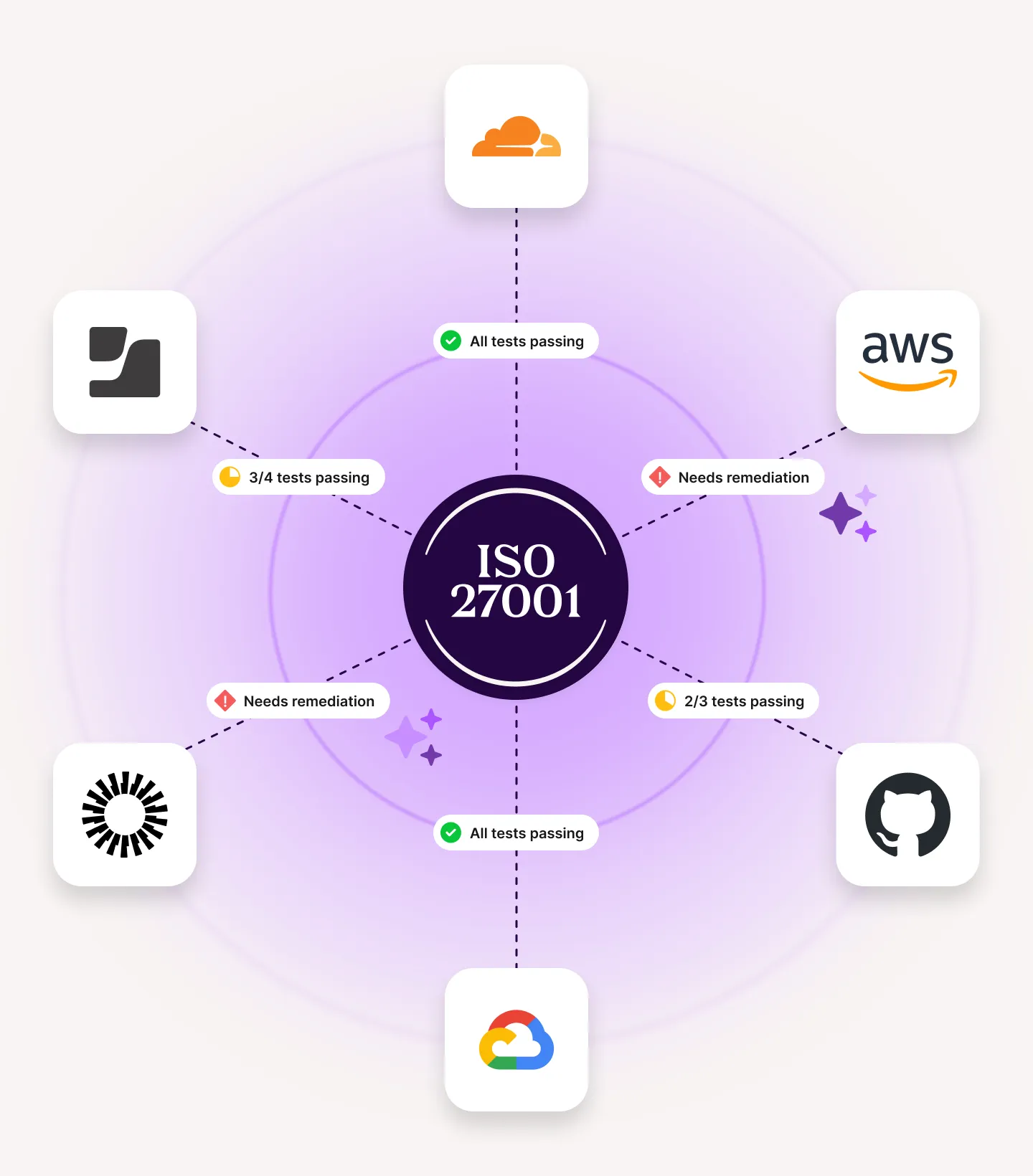
When Spreadsheets Become a Second Job
A spreadsheet is often the least expensive place to begin tracking compliance. They are also vulnerable to duplicate copies and accidental overwrites. A small business may initially keep security risks, policies, and control assignments in different spreadsheets. Once multiple employees begin updating information or control owners change, the spreadsheet approach becomes harder to coordinate.
ISO 27001 compliance software offers an alternative by bringing related activities into a structured workspace. Instead of searching through folders to understand a control’s status, team members can find its documentation and supporting evidence together.
The Practical Question Founders Need to Ask
Before purchasing another subscription, ask a important question: Who will actually maintain this system?
A startup with eight employees probably has little reason to adopt the same compliance infrastructure as a multinational organization. Founders may handle risk assessments, developers may maintain technical controls, and an operations manager may oversee documentation.
The right ISO 27001 software should clarify these responsibilities without adding complicated administrative tasks. Even a capable platform has limited value when the team finds it too difficult to update.
The Statement of Applicability Needs Accurate Records
A Statement of Applicability should be treated as an important record of control decisions. It should show the organization’s control choices, the reasoning behind them, and whether implementation has occurred.
Consider a business running its systems in the cloud: although the provider manages the facilities, the business still needs to evaluate relevant physical security risks.
The organization’s responsibilities and control decisions should be recorded clearly. Linking the risk register with the Statement of Applicability helps an auditor understand why controls were chosen.
Preparing for an Auditor’s Documentation Review
An auditor may ask to examine records of access management, employee training evidence, security policies, or risk treatment decisions. If documents are scattered across different systems, locating the correct versions can slow down preparation. ISO 27001 certification software helps organize these materials, but it does not guarantee that the evidence is sufficient or that certification will be granted.
An accredited certification body independently evaluates whether the information security management system satisfies the applicable requirements. Keeping records clear and accessible helps the team prepare evidence more efficiently.
Choosing an ISO 27001 Platform for a Small Team
Startups comparing platforms should consider their cost constraints, internal resources, and actual compliance workload. Businesses looking into the best compliance software for startups ISO 27001 certification may consider CertAssist for its structured approach. Its features include ISO 27001 clauses and Annex A controls, along with a risk register, Statement of Applicability, editable policy guidance, and evidence storage.
Auditors can be given direct access, and the platform does not require integration with company infrastructure. This approach may suit organizations that do not want infrastructure integrations.
Make Compliance Part of the Workflow, Not a Bottleneck
Preparing for certification should not overwhelm everyday operations. A manageable system supports clear records, visibility into incomplete work, and preparation for an independent audit.
CertAssist aims to give smaller businesses a practical framework for compliance tasks without excessive administrative complexity. The real measure of success is not how many features a platform offers. The important question is whether the platform helps your team manage its security work as it grows.