
Buying a track system for the first time can feel surprisingly complicated. Product photographs show impressive machines crossing deep snow and difficult terrain, but they rarely explain what happens after the equipment arrives.
Will the vehicle require modifications? How much speed will it lose? Can the original tires be reinstalled? Before investing in UTV tracks, prospective owners should understand the answers to several practical questions.
Will Tracks Fit Any Side-by-Side?
No. Track compatibility depends on the vehicle’s make, model, year, and configuration. Manufacturers produce vehicle-specific mounting components that connect the assemblies to compatible machines. Ordering equipment based solely on engine displacement or vehicle appearance can result in expensive compatibility problems. Provide the dealer with complete vehicle information, including relevant aftermarket modifications, before purchasing.
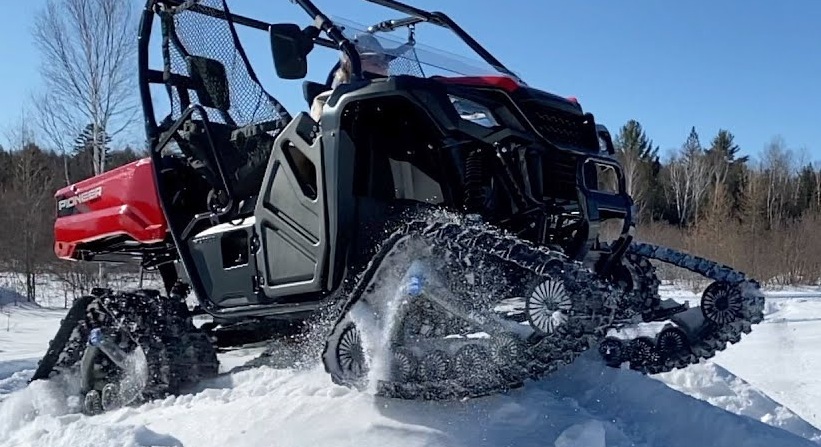
Can I Use Tracks Throughout the Year?
Certain systems are designed for multiple seasons, allowing operation across snow, mud, and other suitable off-road surfaces.
However, all-season capability should not be confused with unrestricted surface compatibility. Extended operation on pavement and abrasive gravel accelerates rubber wear.
Owners considering UTV track systems should evaluate how frequently their normal routes involve hard surfaces. A machine that spends most of its time traveling along maintained roads may be better suited to conventional tires.
How Difficult Is the Installation?
Installing tracks involves more than removing wheels and attaching replacement assemblies. Vehicle-specific brackets, anti-rotation components, alignment adjustments, and tension settings may be required.
The first installation can take several hours, depending on the equipment and the owner’s mechanical experience.
Professional assistance is worth considering for anyone unfamiliar with the procedure. Correct installation establishes the foundation for dependable operation.
Will My UTV Need More Fuel?
Generally, yes. Track assemblies add mechanical resistance and rotating weight, increasing the energy required to move the vehicle. Fuel consumption per mile can rise, particularly during demanding operation in deep snow or mud.
When comparing tracks for UTVs, consider whether reduced range could affect your regular activities. Owners traveling to isolated destinations should plan fuel reserves around actual tracked performance rather than previous tire-based estimates.
Can I Switch Back to Tires?
Track systems are generally designed to allow seasonal removal. Many owners install them before winter and return to tires when conditions improve. The process becomes easier with familiarity, appropriate tools, and organized storage of mounting components. Inspecting and cleaning the assemblies before storage can also make the next installation more straightforward.
How Much Maintenance Is Involved?
Side by side tracks require regular attention to tension, mounting hardware, tread condition, and supporting components.
Maintenance intervals vary between manufacturers and operating conditions. Following the supplied service instructions is more reliable than adopting a universal maintenance schedule.
Where Should a First-Time Buyer Begin?
ATVtracks.net has supplied track equipment for more than two decades and is an authorized dealer for Camso and Kimpex. Its team helps customers evaluate fitment, intended terrain, and ownership expectations before selecting equipment.
A successful first purchase starts with realistic information. Side by side track systems can significantly expand a vehicle’s capabilities, provided buyers understand both the advantages and the responsibilities that accompany the conversion.