
The initial wave of artificial intelligence showed that computers was able to comprehend patterns in language, recognise them and help humans with increasingly difficult tasks. The majority of these systems, however relied on sending data to remote servers to process before giving a result. While cloud computing has helped to accelerate AI adoption but it also presented difficulties related to latency privacy, infrastructure costs, and developer flexibility.
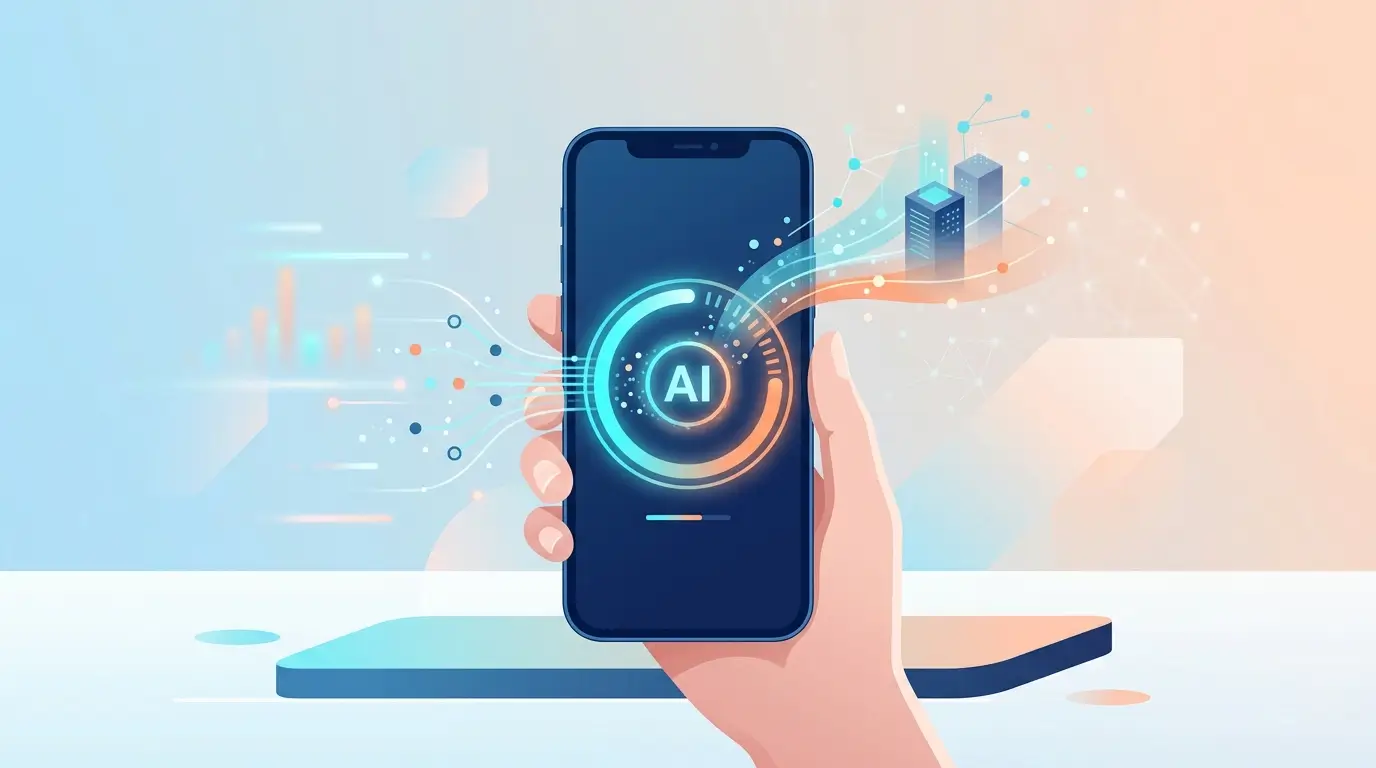
The majority of engineering teams are adopting a fresh approach. In place of treating artificial intelligence as a service that is far away, engineers are now designing machines that perform nearer to where the decisions are made. This trend is driving the growth of on-device AI. This allows applications to respond faster, reduce dependence on external infrastructures and ensure an increased level of control over sensitive information.
Modern AI requires a platform designed for real work
The selection of the language model alone is not enough to produce intelligent software. The performance of the software is also dependent on the architecture. The performance of an AI application in the field is determined by the efficiency of runtime, observability and deployment flexibility.
This growing complexity has increased demand for stronger AI agent infrastructure capable of supporting autonomous workflows, intelligent decision-making, and persistent execution. Instead of relying only on platforms that are designed to cover every use scenario, companies prefer to use customized infrastructures designed specifically for the particular requirements of their operation.
Thyn’s philosophy was founded on this. Thyn doesn’t provide a single AI app, but instead creates runtime engines that support multiple specialized solutions while allowing them to grow independently. This architecture approach helps engineering teams focus on solving business problems rather than constantly rebuilding the fundamental infrastructure.
Better tools help developers build better systems
Developers need more than just APIs as AI is embedded in software applications. They require environments that simplify deployment monitoring, testing, and monitoring as well as management of runtime.
Modern AI development tools put more importance on transparency and control. Developers are trying to determine latency, optimize the use of resources, and understand how they perform under the rigors of heavy load.
Thyn invests heavily in these foundations of engineering by focusing on results of the system rather than broad marketing claims. Runtime analysis deployment strategies, evaluation strategies and frameworks are all considered core engineering disciplines to strengthen the products that make up Thyn’s ecosystem.
Specialized intelligence works better than one-size-fits-all platforms
It is not the case that every AI software application works under the exact same conditions. Financial trading, cryptographic apps marketing automation, embedded software, and autonomous systems each have their own performance specifications, security models, and operational constraints.
Thyn develops engines that are tailored to specific areas rather than requiring each application to be part of the same framework. This allows products to be designed and developed on their own yet still benefitting from research and management.
AI Coding agents are now beginning to follow the same principle. The modern coding assistants are more specific and less general. They can assist developers automate repetitive tasks, generate code, and analyse repositories.
Insights that are more accurate in determining where decisions are made
Artificial intelligence will be more than generating information in the future. The systems that are successful will be able to assess context, reason, take quick decisions, and take action with minimum delay.
If you are designing products that depend on the reliability and responsiveness of their products in addition to security, running the AI locally can provide a huge benefit. On-device AI reduces network dependence and delays while allowing applications to function even if connectivity is reduced. This improves user experience as well as giving companies greater control of their data and infrastructure.
In the same way, AI agent infrastructure that can scale ensures that intelligent systems are visible, manageable, and flexible when demands change.
Thyn is a new company that represents this direction and focuses on the foundation behind intelligent software instead just focusing on software. Thyn’s sophisticated runtime architecture, specialized engine, robust AI development tool and advanced AI code agents are helping to create an environment in which AI is faster, more secure, more reliable and ultimately more beneficial to the developers creating the next generation intelligent products.