
For one customer, the appeal of the wig’s coloring is offset by a cap that feels uncomfortable after hours of use. Another appreciates the natural-looking hairline but doesn’t want to spend twenty minutes adjusting the lace every morning. Someone else buys a beautiful unit, only to discover that the density feels heavier than expected.
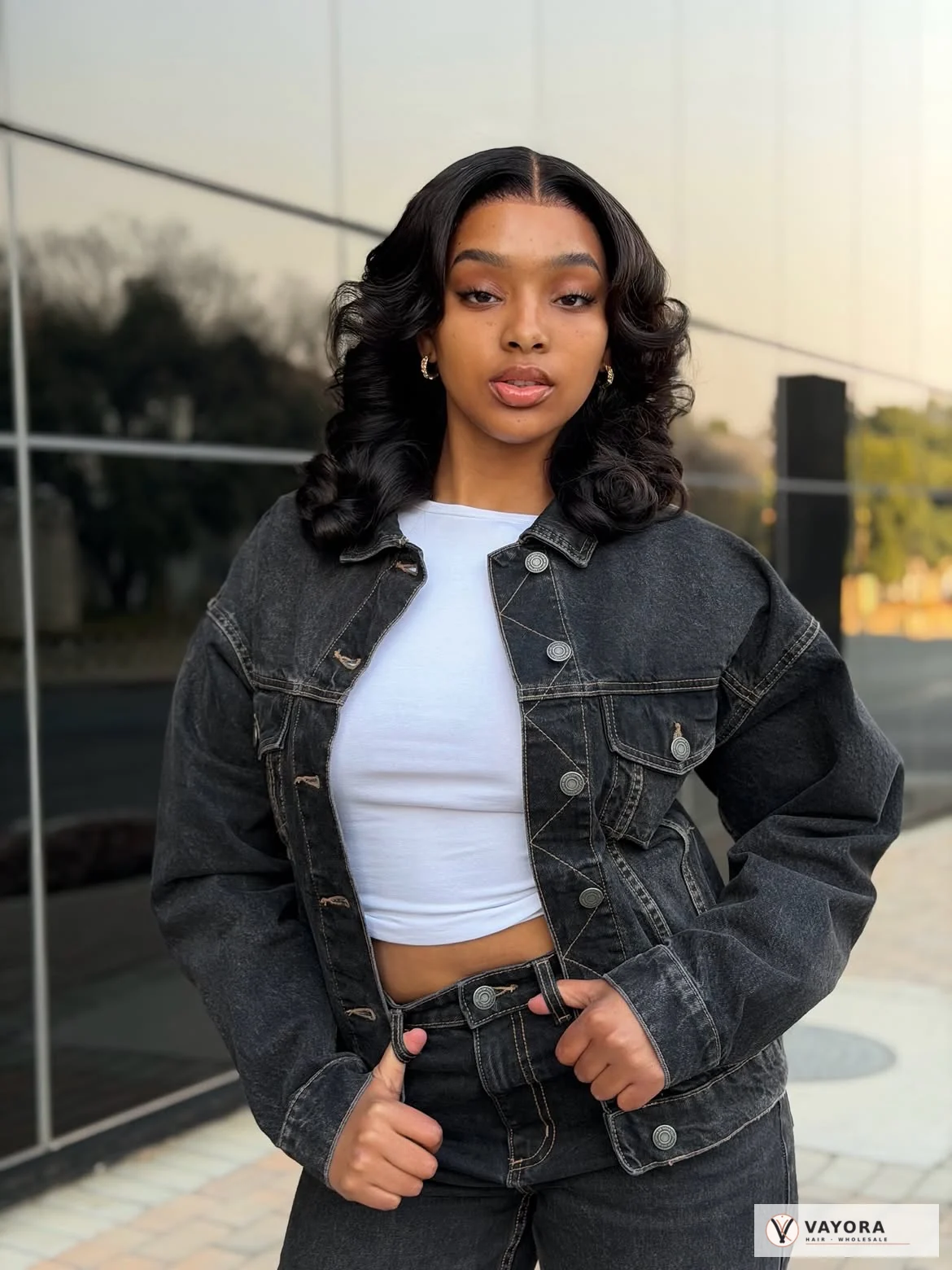
Image credit: vayorahair.com
A wig retailer developing its own products can view such responses as more than customer opinions. They point toward opportunities to create wigs customers actually enjoy wearing.
Building a successful collection involves more than chasing a viral hairstyle. They’re built around understanding what customers want to experience when they put a wig on.
Listen to the Problems Behind the Purchase
Buyers do not usually use technical manufacturing language to explain what they need. They talk about comfort, convenience, appearance, and confidence. When a buyer asks for an easier start to the day, a glueless design may be worth exploring. Feedback about a hairline that does not look natural can direct attention to lace appearance, knot treatment, density, or the design of the part.
Translating wearing concerns into measurable design criteria is a capability to look for in a human hair wig manufacturer China brands choose.
Instead of simply requesting a 22-inch body-wave wig, a buyer can define the intended wearing experience, cap fit, lace construction, hairline appearance, and finished weight. Such specificity provides the development team with a more precise goal.
Make Your Private Label Collection Recognizable
Many emerging wig brands make the mistake of building their catalogs around whatever products are currently popular. Such an approach can leave the brand with a collection that looks strikingly like competitors’ offerings.
To build a more coherent identity across its products, a brand can collaborate with a private label wig manufacturer China retailers work with. The identity might be expressed through a lightweight everyday collection, a premium natural-hairline line, or wigs designed for immediate wear intended for customers who prefer minimal preparation. Texture, length, color, density, cap construction, and packaging should support the same customer promise. A identifiable product range can encourage repeat visits for reasons other than a temporary discount.
Glueless Wigs Require More Than a Label
Although the word “glueless” sounds straightforward, the experience of wearing the wig depends on a range of construction details. Everything from the size of the cap and adjustment features to attachment components, lace preparation, and hairline design influences how securely and comfortably the unit fits.
Before production starts, the glueless wig manufacturer China buyers select should help establish these product requirements. For example, a brand targeting first-time wig wearers may prioritize manageable density, pre-cut lace, and straightforward adjustment features. By contrast, a range for professional stylists may call for a different set of customization features. It would be a mistake to assume that either choice is necessarily superior. Each is intended for a different customer.
Sampling Protects the Brand’s Reputation
Even a clear product image provides only part of the information about a wig. Evaluating the unit means looking at cap fit, hair movement, color accuracy relative to expectations, and whether the final construction follows the approved design. Reviewing samples allows buyers to spot differences before placing a larger order.
For a wholesale human hair wigs supplier, documented specifications and quality-control procedures are especially important when the same style must be produced repeatedly. A lack of clear reference materials can make it difficult to reproduce the results of a successful first batch reliably.
Growing a Wig Collection With a Clear Direction
VAYORA works with B2B wig retailers, distributors, and brands to support product development, private label services, sampling, specification control, and repeat-production processes. The focus is on linking what wearers expect with the construction details responsible for how the wig looks, fits, and feels.
Prior to expanding a product range, brands should examine customer feedback, recognize their strongest product opportunities, and set clear approval standards. More styles are not necessarily what the next successful product lineup requires. What may matter more is reducing compromises in the styles that customers already want.