
Clean, well-designed toilets aren’t always the main attraction in the sports complex, parks or even a campground. However, they can have an impact on how visitors feel about this space. If visitors have clean, safe, accessible restroom that feels well-constructed and simple to use, it increases your overall experience in the area. It can be the opposite when the facility has become outdated, unattractive or difficult to maintain.
A growing number of communities are taking a more detailed look at how restroom buildings are designed from the beginning. Many owners see these facilities as essential parts of the public infrastructure, instead of thinking of them as a mere utilitarian building. A restroom building must serve those who use it. It should also assist the maintenance crews responsible for maintaining it. Also, it should be integrated naturally into the surrounding.
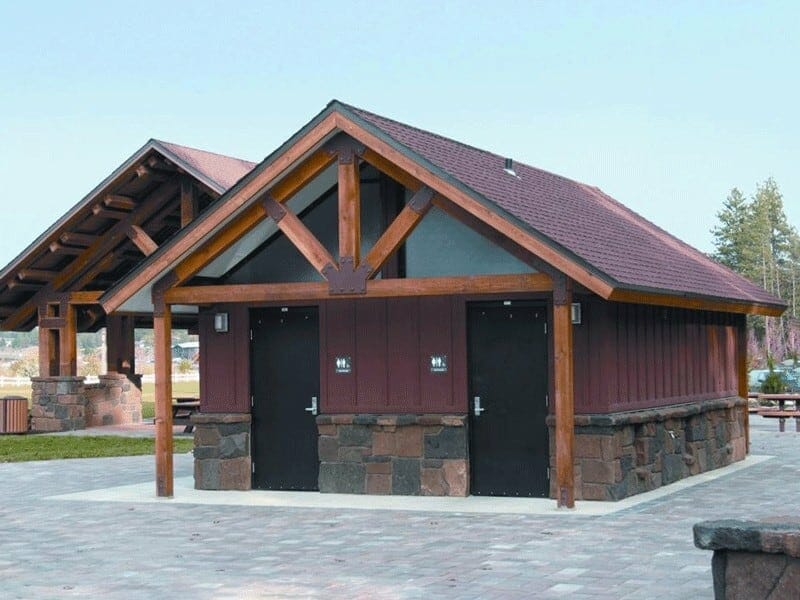
Every project needs a different type of toilet solution
The notion that a particular design of toilet will work for all public restrooms is among the most common mistakes made during the process of planning. A tiny park in the neighborhood will have different requirements from a complex for sports at an area scale. A trailhead that is away from water, and does not have access to it requires an alternative to an urban center with high-durability facilities. All campgrounds, pools, places for gatherings and events venues have their own specific traffic patterns and maintenance specifications.
A thoughtful design can make all the difference. Romtec is in constant contact with parks departments, cities along with architects and contractors to create restrooms specifically tailored to the specific site. It could be a single-user structure that is located in a natural space or a multi-user facility for a sports complex or shower house for a municipal pool, camping area, or even the steel sidewalk toilet that is designed for urban areas. It is important to not just place a building however, but also create a space for the people to use it every all day.
Park restrooms that are prefabricated do not come in a homogenous fashion.
Prefabricated parks toilets are usually the first thing prospective buyers look at when they begin their search. They’re looking for ease of use and speed as well as an ability to predict the cost of construction. This is logical. But there’s an important distinction between a prefabricated, generic structure and a custom-designed building solution that can still provide the benefits of a streamlined system that’s streamlined.
Romtec’s method of constructing restrooms is much more flexible than the typical prefabrication. Instead of forcing the city or park to adhere to strict limitations in terms of design, the firm provides specifications, plans and building materials that can be designed to suit the particular design and site. The bathroom is then designed to meet architectural preferences, ADA standards, sustainability goals and local climate. It creates a space that feels more like it is part of a public park or area, rather than just a gimmick.
Better restrooms encourage public use
The visitor experience is important. It is commonplace to think of restrooms by square footage and plumbing costs, or maintenance expenses. Clean, attractive buildings with high-quality materials and a good view are an indication of quality. It can have an enormous influence on the way people use the space.
Romtec’s style is focused on both functionality and aesthetics. Public restroom buildings should be easy to maintain, but they should also feel welcoming and fit for the surrounding environment. Design details in public spaces could reduce abuse, discourage theft, and provide people to have a pleasant experience. A bathroom that feels light and well constructed is very different from one that appears to be hidden and unappreciated, or just utilitarian.
Sidewalk toilets satisfy a different type of public need
Urban environments present a unique challenge. Particularly in areas like downtown districts, transit corridors or tourist zones, as well as public spaces, the availability of clean toilets has an immediate impact on the cleanliness and comfort of the general public as well as the accessibility and aesthetics of the streetscape. Sidewalk toilets have been specifically designed to fulfill these requirements.
In contrast to bigger park restrooms the sidewalk restrooms are constructed for smaller footprints and have to withstand the rigors of frequent use, as well as the demands of city maintenance. The sidewalk restrooms from Romtec are constructed with strength, easy cleaning and misuse prevention as the top priority. Stainless steel fixtures, sleek designs, and tough materials helps create bathrooms that are functional and easy to maintain in urban areas.
Restroom buildings form an element of a larger visitor infrastructure strategy
In most communities, restroom facilities are not a separate project. They form part of a larger effort to enhance public spaces by providing better visitor amenities. It might be necessary for a restroom as well as concessions in a sports park. Showers, changing rooms, and waterless options may be necessary in remote areas of a campsite. Trail systems may require smaller structures to accommodate natural surroundings, with no utilities.
Romtec is dedicated to this wide-ranging view and develops more than conventional restrooms. The restrooms, shower buildings, concession spaces, and other special-purpose structures help owners create facilities that support how people use the space. It is essential to think about the bigger picture, because toilets shouldn’t be considered as a separate piece of equipment. It must be designed to help the flow of the space, as well as the comfort and long-term sustainability.
Better public spaces are created through better facilities
If they’re poorly built they are only noticed when toilet buildings are constructed as a public expense. If done correctly they can improve the enjoyment of campgrounds, parks and recreational facilities for a number of years to come. They promote sanitation, accessibility, and comfort in addition to the overall perception.
Romtec’s work demonstrates that restrooms do not need to be boring, generic or restricted by prefabricated limitations. The design process can be tailored to customise prefabricated restrooms to meet the needs of a specific site and reflect the character of the community and provide better service to people. Whether the need is for park restrooms, shower buildings, public restroom buildings in high-traffic civic spaces, or durable sidewalk restrooms for urban settings, a better design process leads to a better public result.