
It’s not hard for a pump station to cease working for it to become problematic. The pump station might be able to transport stormwater or wastewater every day but have trouble when demands are high, require frequent maintenance, or rely on controls which are difficult to maintain. Although the equipment is still being used but its original design might no longer be appropriate for the current climate.
Planning infrastructure improvements is critical for municipal officials, developers and operators of facilities.
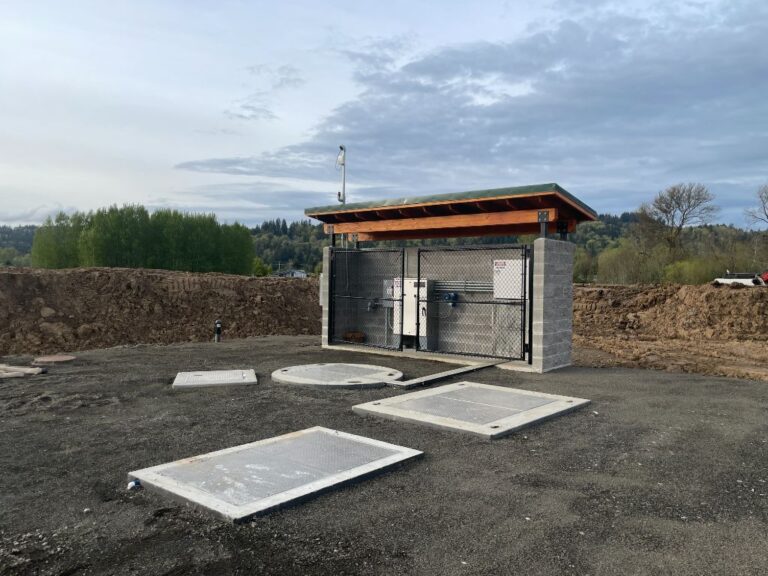
Image credit: romtecutilities.com
You need to look beyond the equipment inoperable
Retrofitting the wastewater lift station ought to start with a review of the entire system and not just the pump not working. Engineers must evaluate the wet well, mechanical components, electrical components, controls, discharge piping, as well as the current needs for pumping.
The state of a wet well is crucial. It could be possible, if the structure is sound that it be kept and replace outdated equipment. The construction costs could be lower compared to building a brand new station. It is essential to maintain the existing infrastructure even if improvements can be made.
Have the areas of service changed?
The wastewater plant that was constructed years ago can be used to supply increasing numbers of homes, businesses and industrial operations.
These modifications could have an impact on flow rates and operational demands. Successful lift station rehabilitation therefore requires more than restoring the original equipment specifications. Engineers need to evaluate the flow rate and anticipated as well as the dynamic head of equipment operating reliability, as well as the capacity.
The answer isn’t always one that is bigger. New equipment needs to work with the existing piping system as well as wet wells, electrical supply, controls etc. If you make improvements to one part the problem could be with other parts of the system.
Retrofits to stormwater have different priorities
Retrofitting a stormwater pumping station involves additional considerations since runoff can change dramatically with rainfall and surrounding development. Stations that serve a detention basin may have different inflow patterns than those receiving water through storm drains. New pavements, expanded parking spaces, or a change in drainage infrastructure could also alter the amount and time of runoff reaching the station.
Before recommending a major upgrade of the stormwater pump, engineers should examine the drainage areas that contribute to the project as well as the expected peak flows in the future, storage capacity that is available and discharge conditions, as well as pump performance.
The results of these studies can help decide the extent to which modernization of equipment is sufficient or if a facility requires greater reconstruction.
Plan Construction Before Interrupting Service
The most often overlooked concern is how the station will function during rehabilitation. The general rule is that wastewater systems can’t be shut down without a plan to manage flow.
The construction process may involve the installation of temporary bypass pumps, or replacing infrastructure adjacent to the operating station.
The system could be required to be used in an emergency downpour. A comprehensive engineering plan comprehensive must include installation sequencing, temporary operations as well as equipment integration and commissioning, not just replacement components.
Making the system more user-friendly to operate
Romtec Utilities is a provider of engineering services for sites supply and solutions for stormwater and wastewater Pumping Applications.
The retrofit strategy determines which electrical, structural mechanical and communications components are required to be maintained and which require replacement. The company also offers initial designs and budgetary estimates to help owners evaluate project alternatives.
Following installation, tests for startup, commissioning, operator training, and operation and maintenance documents help ensure that the station has been upgraded according to its design requirements. The successful rehabilitation process will provide the operator with a station they can manage and comprehend.
Upgrade your system, not just your system’s age
An older pumping station isn’t necessarily a candidate for a complete overhaul. It’s possible that some structures will remain functional for a long time even if the mechanical or electrical systems need modernization. It is crucial to determine what can be safely and economically retained, while ensuring that the station will meet present and future needs.
Owners can make better investment decisions by studying the conditions of operation including structural integrity, structural integrity and hydraulic requirements in conjunction.
It’s not just about making an old station operational again. To make sure the station is ready for any future projects it is essential to modernize the station.