
While a pumping station appears as a simple building from the outside but in reality, every project is different. In some cases, wastewater might need to be moved upwards to accommodate a new housing project. Another location may require to ensure pressure is maintained on commercial property which has a fluctuating elevation. Some projects are industrial while others are municipal. Each has distinct requirements for the design, regulation and long-term plans.
This is the reason that pumping systems aren’t designed to be based on a “one-size-fits all” concept. The success of the station is contingent on the reality of the location and the flow conditions. It is also based on the requirements of the owner as well as the future needs of the property. Romtec Utilities works from that perspective, designing each package pumping system to fit the needs of the project, instead of forcing the project to fit a generic system.
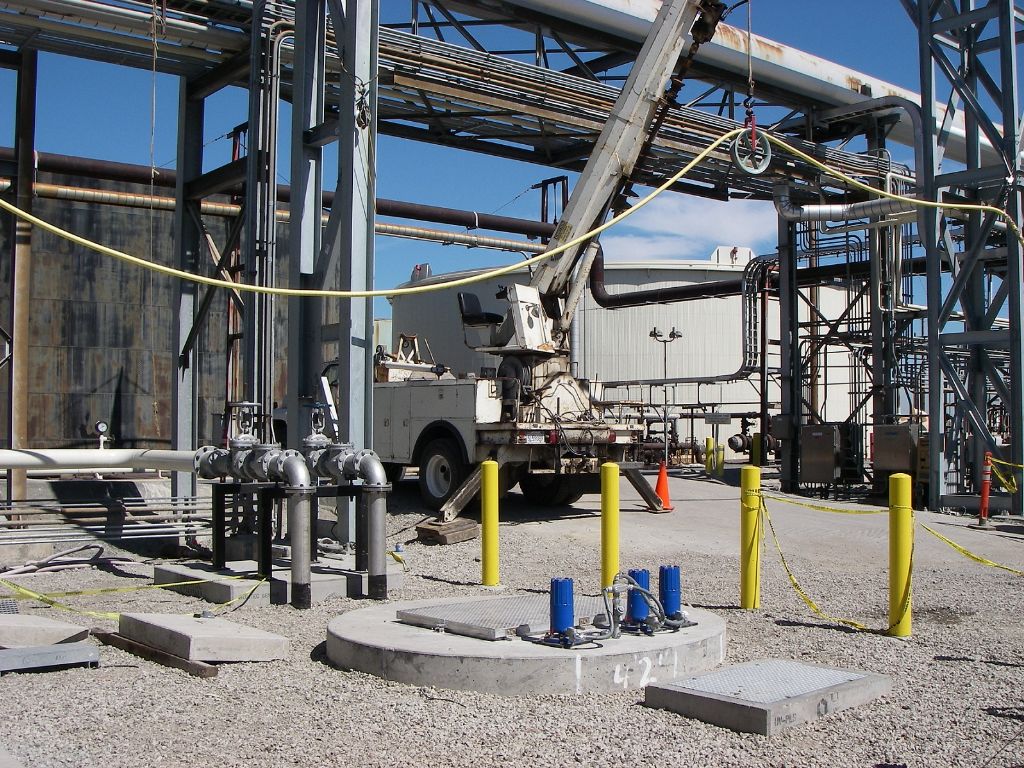
A good pumping design involves more than just the act of moving water
Pumping stations are designed to transport water or waste in areas where gravity is not able to. But designing a system that only functions is not enough. It needs to be efficient, reliable, easy to use, and in line with state and local requirements. It should function in real life, not just on paper.
It encompasses everything from the structural design to the size of the wells, controls, electrical equipment communication systems, and access for workers. The system is likely to be afflicted with operational issues for years should even one aspect not properly planned. This is why owners and engineers place so much value on working with the most skilled lift station engineers. When you’re trying balance budget, site constraints as well as hydraulic performance and long-term durability at the same time it is important to have experience.
Romtec Utilities combines these disciplines together under one umbrella. The company handles the mechanical, structural and electrical components of the station as a whole system, ensuring that customers don’t need to coordinate multiple vendors. A single source approach can save time during design, reduces confusion during procurement and provides a more smooth process to install.
When designed properly Packaged pumping systems are less complex.
A package pumping system can simplify infrastructure projects because it integrates the most important components into a unified solution. But the real value comes from the way that the package is engineered. In the event of a poorly-matched system, it could create performance issues, oversized equipment that isn’t needed, and costly ongoing maintenance issues.
Romtec Utilities treats each package as an engineered solution, not merely a catalog item. This means choosing the best valves, pumps, controls, piping, and enclosures based on the actual demands of the location. It is also essential to consider how the system will be monitored, what methods users will be able to access it, and what kind of maintenance it will require over time. Coordination at the planning stage can prevent much bigger problems in the utility infrastructure.
Booster Pump Stations solve a distinct type of problem in infrastructure
In not every project is wastewater involved. In many development, maintaining pressure in the water is as crucial as transferring sewer. This is where booster pump stations play a critical role. These pumps keep water flowing efficiently in a distribution system regardless of pressure issues due to fluctuations in elevation, long pipe runs, or high demand.
Booster systems usually require a different type of engineering approach because they may comprise control buildings, variable frequency drives, SCADA integration, telemetry and architectural considerations dependent on the location. Romtec Utilities designs these stations with the same approach to design and construction used for wastewater systems, making sure that the final product is both operationally and functionally.
A better planning will lead to better long-term results
Early design support is considered to be one of the most valuable parts of Romtec Utilities’ process. The initial engineering and design support enables teams on project teams to gain a better understanding of the scope, configuration, and costs of the installation prior to when they begin the procurement or construction. Developers, consultants, and even public agencies could benefit from this.
Designing well is the key to achieving success. The right design partner does more than simply supply equipment. A good design partner can help develop a viable solution that matches the needs of the site and meets the needs of the owner.
When it comes to utility work, often the best systems are the ones that are invisible to the public because they work. This kind of reliability is rarely a result of accident. It’s the result from thoughtful engineering, a strong coordination and the knowledge to design every system to meet the actual demands of the task.